Buy no1.be ?
We are moving the project
no1.be .
Are you interested in purchasing the domain
no1.be ?
domain@kv-gmbh.de · 0541-91531010
Buy no1.be ?
Can one mix the passé composé and the passé simple in a story?
Yes, it is possible to mix the passé composé and the passé simple in a story. The passé composé is commonly used in spoken French and in modern literature to express actions that are completed in the past, while the passé simple is used in formal writing to narrate specific events or actions that occurred in the past. Mixing these two tenses can add complexity and depth to a story, creating a more dynamic and engaging narrative. However, it is important to use them appropriately to maintain coherence and clarity in the storytelling. **
Can you mix the passé composé and the passé simple in a story?
Yes, it is possible to mix the passé composé and the passé simple in a story. The passé composé is commonly used in spoken French to talk about completed actions in the past, while the passé simple is more commonly used in written French to narrate past events. Mixing these two tenses can add complexity and richness to a story, providing a balance between the immediacy of the passé composé and the narrative distance of the passé simple. This combination can create a dynamic and engaging storytelling style. **


Similar search terms for Passé
Top-Angebote
Products related to Passé:
-
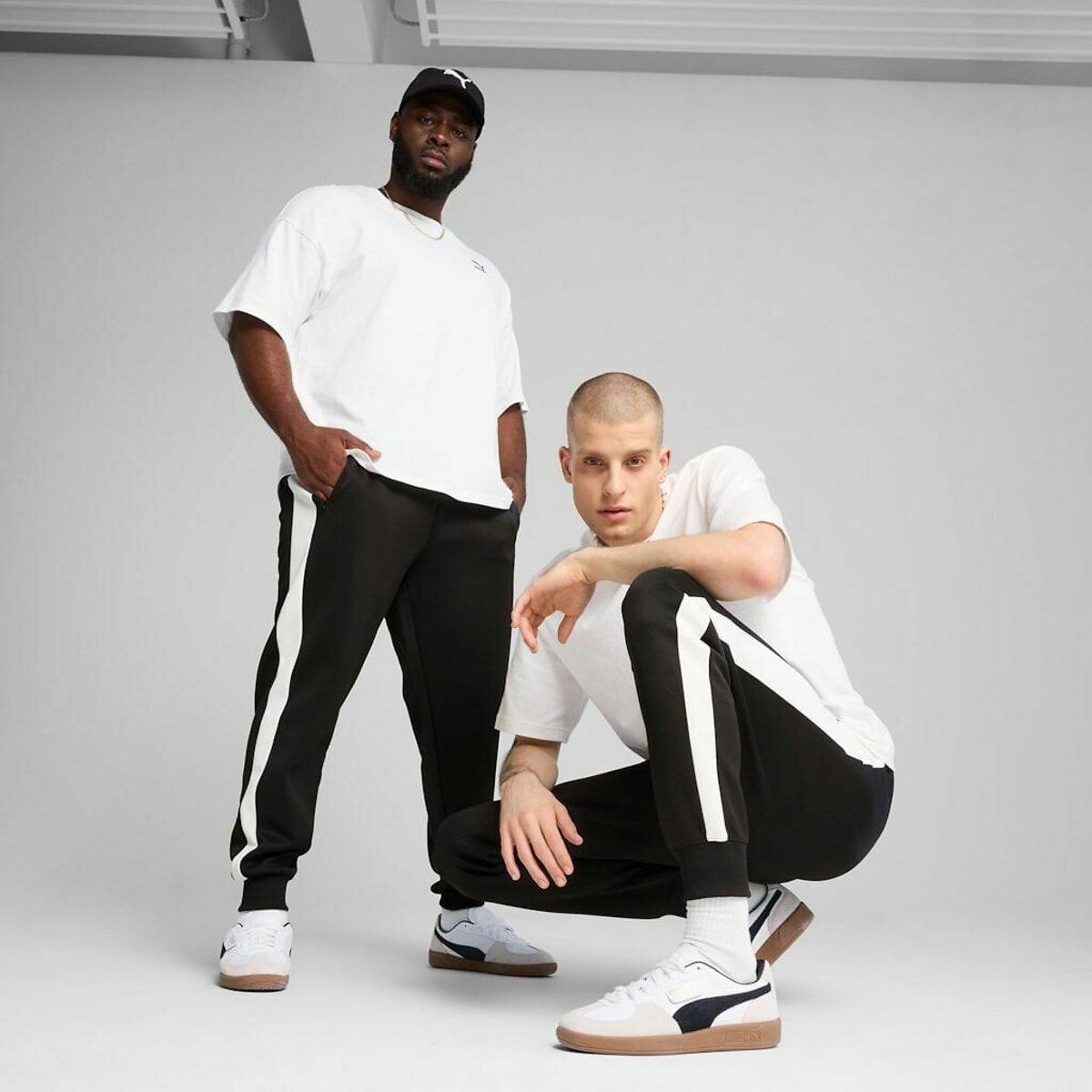
PUMA Pantalon PrimeDétails produit • Taille standard • Taille élastiquée • Bandes côtés • Bord côtes chevilles Composition et Entretien • 67% polyester, 33% coton • Pour l'entretien, merci de vous référer aux indications figurant sur l'étiquette du produit45,50 €*Shipping: 3,99 €Secure redirect to the provider
-
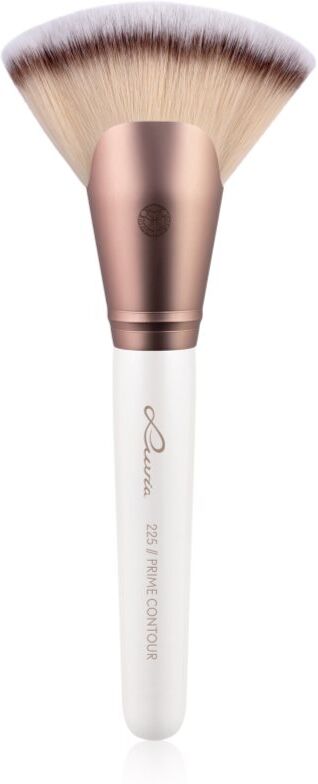
Luvia Cosmetics Prime Countour Prime Contour pinceau contouring 1 pcsLuvia Cosmetics Prime Countour Prime Contour, 1 pcs, Pinceaux visage pour femme, Les « make-up artists » n’utilisent que des pinceaux de qualité. Inspirez-vous donc de leur expertise et faites comme eux. Le pinceau Luvia Cosmetics Prime Countour Prime Contour élèvera votre make-up du visage à un niveau supérieur et vous permettra de créer un look digne d’un professionnel. Grâce à ce pinceau, vous appliquerez les produits de maquillage sur votre peau avec une légèreté et une précision que vous auriez du mal à atteindre avec vos doigts. Ce pinceau vous garantit un maquillage parfait du visage, que ce soit à la maison ou en voyage. Le produit : poils fins application facile et précise pour l’application de produit en poudre produit végétalien parfaite tenue en main Mode d’emploi : Utilisez le pinceau pour appliquer sur le contour du visage. Procédez en faisant de petits mouvements et étalez bien.12,33 €*Shipping: 3,45 €Secure redirect to the provider
-
Cottelli ACCESSOIRES Top métallique Metal TopApportez une touche brillante à votre tenue avec ce top métallique élégant 🖤.Style et détailsCe crop top est composé de petites plaques métalliques rose doré qui captent la lumière avec subtilité. Son encolure bénitier apporte une douceur contrastante à la structure métallique. Le confort est39,95 €*Shipping: 0,00 €Secure redirect to the provider
-
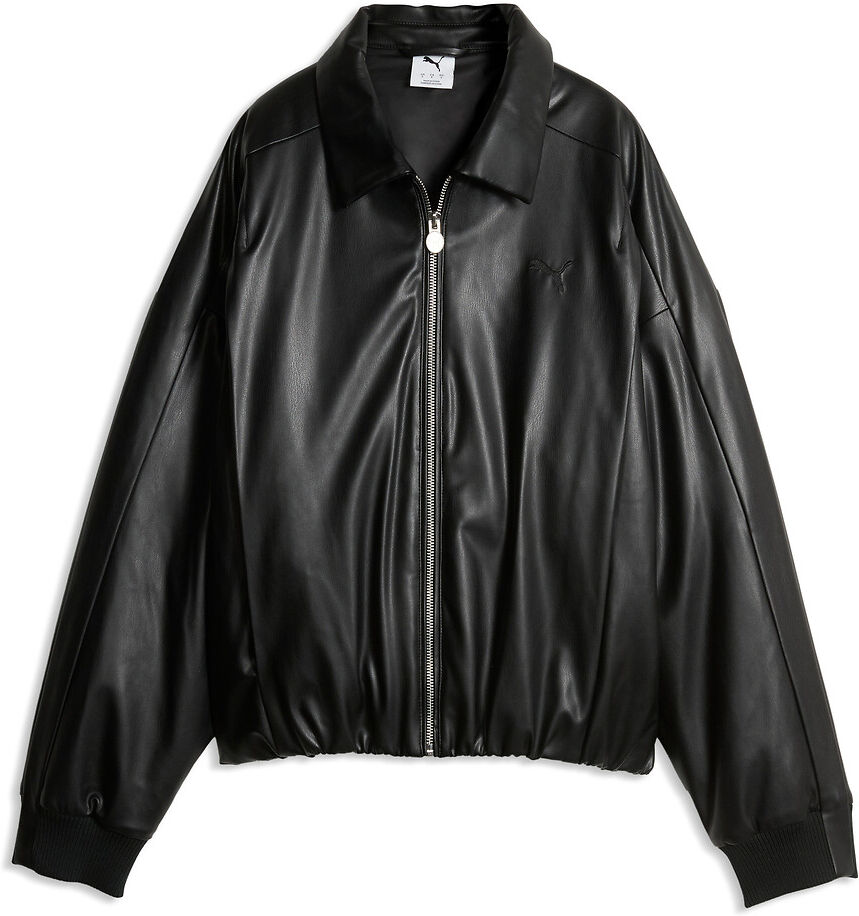
PUMA Veste col polo PRIMEDétails produit • Coupe oversize, ample • Longueur : court • Col polo, chemise • Convient à la pratique sportive Composition et Entretien • 100% polyester • Pour l'entretien, merci de vous référer aux indications figurant sur l'étiquette du produit112,00 €*Shipping: 3,99 €Secure redirect to the provider

-
Imperfect or passé composé when?
The choice between imperfect and passé composé depends on the context and the specific action being described. The imperfect is used to describe ongoing or repeated actions in the past, while the passé composé is used for completed actions. If the action is a one-time event that happened in the past, the passé composé is more appropriate. However, if the action was ongoing or repeated, the imperfect should be used. **
-
What is the difference between the participe passé and the passé composé in French?
In French, the participe passé is a verb form used to form compound tenses like the passé composé. The participe passé is the past participle of a verb, while the passé composé is a compound tense formed by using the auxiliary verb "avoir" or "être" in the present tense followed by the past participle of the main verb. Essentially, the participe passé is a component of the passé composé, which is a complete verb form used to express actions that have been completed in the past. **
-
What is the difference between the Participe Passé and the Passé Composé in French?
In French, the Participe Passé is a verb form used in compound tenses like the Passé Composé. The Passé Composé is a compound tense that consists of an auxiliary verb (either "avoir" or "être" conjugated in the present tense) followed by the past participle of the main verb. The Participe Passé is the past participle form of a verb, while the Passé Composé is a specific compound tense used to express completed actions in the past. **
-
Can you correct the passé composé?
Yes, the passé composé can be corrected by adjusting the auxiliary verb and the past participle to match the subject and the tense of the sentence. For example, in the sentence "Hier, je a mangé une pomme" the correct form would be "Hier, j'ai mangé une pomme" where "j'ai" is the correct form of the auxiliary verb "avoir" for the subject "je" and "mangé" is the correct past participle of the verb "manger." Making these adjustments ensures that the passé composé is used correctly in the sentence. **


What is the French passé composé?
The French passé composé is a compound past tense used to talk about completed actions in the past. It is formed with the auxiliary verb "avoir" or "être" in the present tense, followed by the past participle of the main verb. The choice between "avoir" and "être" as the auxiliary verb depends on the main verb and whether it is transitive or intransitive. The passé composé is commonly used in spoken and written French to describe specific actions that occurred at a definite point in the past. **
When is the passé composé agreed?
The passé composé is agreed in gender and number with the subject when the auxiliary verb is "être." This means that the past participle must agree with the subject in gender and number. However, when the auxiliary verb is "avoir," the past participle does not agree with the subject. **
Top-Angebote
Products related to Passé:
-
PUMA Bonnet Essentiel No1 Logo Cuffless JrDétails produit • Taille unique Composition et Entretien • Matière principale : 100% acrylique • Doublure : 100% acrylique • Pour l'entretien, merci de vous référer aux indications figurant sur l'étiquette du produit10,50 €*Shipping: 3,99 €Secure redirect to the provider
-
PUMA Veste PrimeDétails produit • Col montant • Manches longues • Fermeture zippée • Longueur : standard • Finitions bord côtes Composition et Entretien • 67% polyester, 33% coton • Pour l'entretien, merci de vous référer aux indications figurant sur l'étiquette du produit52,50 €*Shipping: 3,99 €Secure redirect to the provider
-
PUMA Pantalon PrimeDétails produit • Taille standard • Taille élastiquée • Bandes côtés • Bord côtes chevilles Composition et Entretien • 67% polyester, 33% coton • Pour l'entretien, merci de vous référer aux indications figurant sur l'étiquette du produit45,50 €*Shipping: 3,99 €Secure redirect to the provider
-
Luvia Cosmetics Prime Countour Prime Contour pinceau contouring 1 pcsLuvia Cosmetics Prime Countour Prime Contour, 1 pcs, Pinceaux visage pour femme, Les « make-up artists » n’utilisent que des pinceaux de qualité. Inspirez-vous donc de leur expertise et faites comme eux. Le pinceau Luvia Cosmetics Prime Countour Prime Contour élèvera votre make-up du visage à un niveau supérieur et vous permettra de créer un look digne d’un professionnel. Grâce à ce pinceau, vous appliquerez les produits de maquillage sur votre peau avec une légèreté et une précision que vous auriez du mal à atteindre avec vos doigts. Ce pinceau vous garantit un maquillage parfait du visage, que ce soit à la maison ou en voyage. Le produit : poils fins application facile et précise pour l’application de produit en poudre produit végétalien parfaite tenue en main Mode d’emploi : Utilisez le pinceau pour appliquer sur le contour du visage. Procédez en faisant de petits mouvements et étalez bien.12,33 €*Shipping: 3,45 €Secure redirect to the provider
-
Can one mix the passé composé and the passé simple in a story?
Yes, it is possible to mix the passé composé and the passé simple in a story. The passé composé is commonly used in spoken French and in modern literature to express actions that are completed in the past, while the passé simple is used in formal writing to narrate specific events or actions that occurred in the past. Mixing these two tenses can add complexity and depth to a story, creating a more dynamic and engaging narrative. However, it is important to use them appropriately to maintain coherence and clarity in the storytelling. **
-
Can you mix the passé composé and the passé simple in a story?
Yes, it is possible to mix the passé composé and the passé simple in a story. The passé composé is commonly used in spoken French to talk about completed actions in the past, while the passé simple is more commonly used in written French to narrate past events. Mixing these two tenses can add complexity and richness to a story, providing a balance between the immediacy of the passé composé and the narrative distance of the passé simple. This combination can create a dynamic and engaging storytelling style. **
-
Imperfect or passé composé when?
The choice between imperfect and passé composé depends on the context and the specific action being described. The imperfect is used to describe ongoing or repeated actions in the past, while the passé composé is used for completed actions. If the action is a one-time event that happened in the past, the passé composé is more appropriate. However, if the action was ongoing or repeated, the imperfect should be used. **
-
What is the difference between the participe passé and the passé composé in French?
In French, the participe passé is a verb form used to form compound tenses like the passé composé. The participe passé is the past participle of a verb, while the passé composé is a compound tense formed by using the auxiliary verb "avoir" or "être" in the present tense followed by the past participle of the main verb. Essentially, the participe passé is a component of the passé composé, which is a complete verb form used to express actions that have been completed in the past. **
Similar search terms for Passé
-
Cottelli ACCESSOIRES Top métallique Metal TopApportez une touche brillante à votre tenue avec ce top métallique élégant 🖤.Style et détailsCe crop top est composé de petites plaques métalliques rose doré qui captent la lumière avec subtilité. Son encolure bénitier apporte une douceur contrastante à la structure métallique. Le confort est39,95 €*Shipping: 0,00 €Secure redirect to the provider
-
PUMA Veste col polo PRIMEDétails produit • Coupe oversize, ample • Longueur : court • Col polo, chemise • Convient à la pratique sportive Composition et Entretien • 100% polyester • Pour l'entretien, merci de vous référer aux indications figurant sur l'étiquette du produit112,00 €*Shipping: 3,99 €Secure redirect to the provider
-
PUMA Veste sans manches PRIMEDétails produit • Longueur : court • Col montant • Fermeture zippée • Sans manche • Poches côtés Composition et Entretien • 100% polyester • Pour l'entretien, merci de vous référer aux indications figurant sur l'étiquette du produit93,50 €*Shipping: 3,99 €Secure redirect to the provider
-
What is the difference between the Participe Passé and the Passé Composé in French?
In French, the Participe Passé is a verb form used in compound tenses like the Passé Composé. The Passé Composé is a compound tense that consists of an auxiliary verb (either "avoir" or "être" conjugated in the present tense) followed by the past participle of the main verb. The Participe Passé is the past participle form of a verb, while the Passé Composé is a specific compound tense used to express completed actions in the past. **
-
Can you correct the passé composé?
Yes, the passé composé can be corrected by adjusting the auxiliary verb and the past participle to match the subject and the tense of the sentence. For example, in the sentence "Hier, je a mangé une pomme" the correct form would be "Hier, j'ai mangé une pomme" where "j'ai" is the correct form of the auxiliary verb "avoir" for the subject "je" and "mangé" is the correct past participle of the verb "manger." Making these adjustments ensures that the passé composé is used correctly in the sentence. **
-
What is the French passé composé?
The French passé composé is a compound past tense used to talk about completed actions in the past. It is formed with the auxiliary verb "avoir" or "être" in the present tense, followed by the past participle of the main verb. The choice between "avoir" and "être" as the auxiliary verb depends on the main verb and whether it is transitive or intransitive. The passé composé is commonly used in spoken and written French to describe specific actions that occurred at a definite point in the past. **
-
When is the passé composé agreed?
The passé composé is agreed in gender and number with the subject when the auxiliary verb is "être." This means that the past participle must agree with the subject in gender and number. However, when the auxiliary verb is "avoir," the past participle does not agree with the subject. **
* All prices are inclusive of VAT and, if applicable, plus shipping costs. The offer information is based on the details provided by the respective shop and is updated through automated processes. Real-time updates do not occur, so deviations can occur in individual cases. ** Note: Parts of this content were created by AI.