Buy no1.be ?
We are moving the project
no1.be .
Are you interested in purchasing the domain
no1.be ?
domain@kv-gmbh.de · 0541-91531010
Buy no1.be ?
Are we more Homo sapiens or Homo deus?
As of now, we are more Homo sapiens, as we are still primarily driven by our biological and evolutionary instincts. However, with the rapid advancements in technology and the potential for genetic engineering, some argue that we are on the path to becoming more like Homo deus, or "god-man," as described by Yuval Noah Harari in his book of the same name. This concept suggests that humans may eventually transcend our current limitations and become more god-like in our abilities and capabilities. Ultimately, the answer to this question may depend on the trajectory of future technological and biological developments. **
Is Homo neanderthalensis a subspecies of Homo sapiens?
No, Homo neanderthalensis is not a subspecies of Homo sapiens. Neanderthals and modern humans are separate species that evolved from a common ancestor. Neanderthals lived in Europe and Asia, while Homo sapiens originated in Africa. Although there is evidence of interbreeding between the two species, they are distinct and separate branches of the human evolutionary tree. **


Similar search terms for Homo
Top-Angebote
Products related to Homo:
-
PUMA Pantalon PrimeDétails produit • Taille standard • Taille élastiquée • Bandes côtés • Bord côtes chevilles Composition et Entretien • 67% polyester, 33% coton • Pour l'entretien, merci de vous référer aux indications figurant sur l'étiquette du produit45,50 €*Shipping: 3,99 €Secure redirect to the provider
-
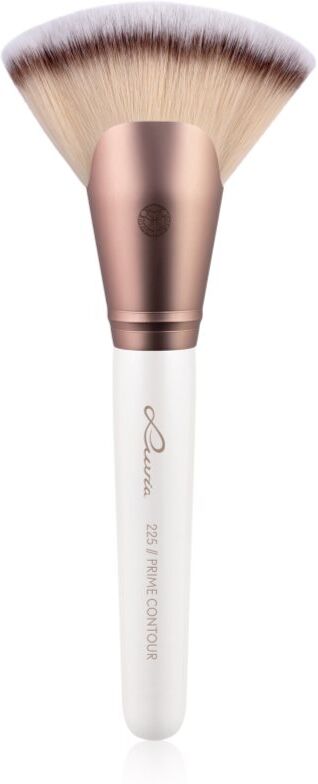
Luvia Cosmetics Prime Countour Prime Contour pinceau contouring 1 pcsLuvia Cosmetics Prime Countour Prime Contour, 1 pcs, Pinceaux visage pour femme, Les « make-up artists » n’utilisent que des pinceaux de qualité. Inspirez-vous donc de leur expertise et faites comme eux. Le pinceau Luvia Cosmetics Prime Countour Prime Contour élèvera votre make-up du visage à un niveau supérieur et vous permettra de créer un look digne d’un professionnel. Grâce à ce pinceau, vous appliquerez les produits de maquillage sur votre peau avec une légèreté et une précision que vous auriez du mal à atteindre avec vos doigts. Ce pinceau vous garantit un maquillage parfait du visage, que ce soit à la maison ou en voyage. Le produit : poils fins application facile et précise pour l’application de produit en poudre produit végétalien parfaite tenue en main Mode d’emploi : Utilisez le pinceau pour appliquer sur le contour du visage. Procédez en faisant de petits mouvements et étalez bien.12,33 €*Shipping: 3,45 €Secure redirect to the provider
-
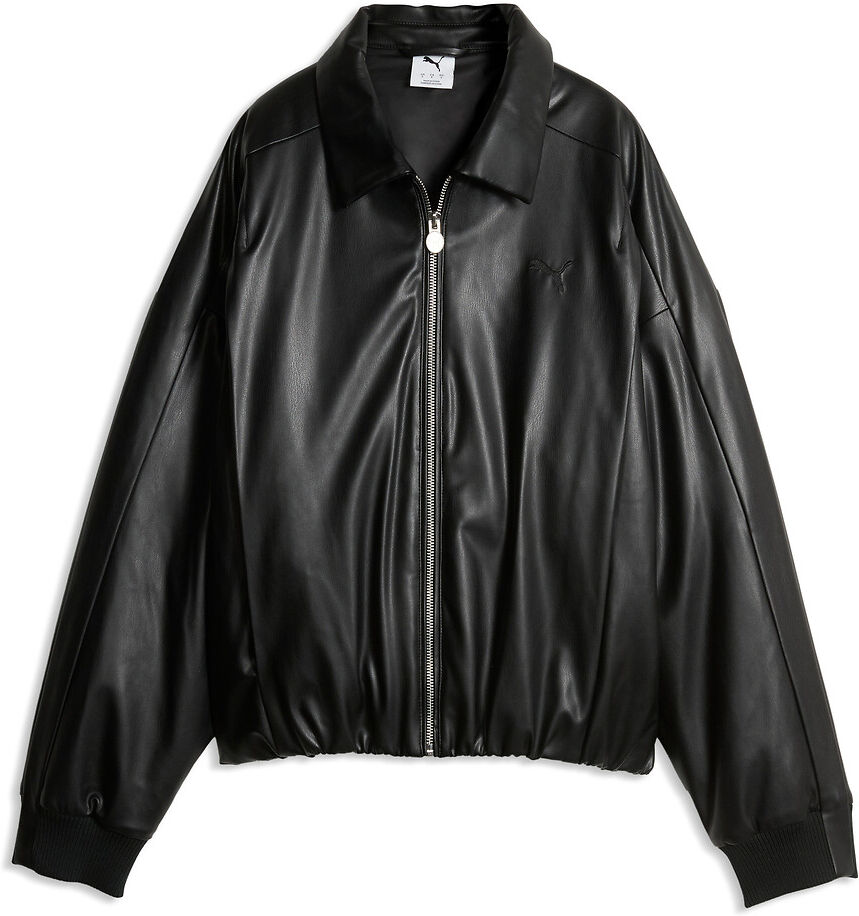
PUMA Veste col polo PRIMEDétails produit • Coupe oversize, ample • Longueur : court • Col polo, chemise • Convient à la pratique sportive Composition et Entretien • 100% polyester • Pour l'entretien, merci de vous référer aux indications figurant sur l'étiquette du produit112,00 €*Shipping: 3,99 €Secure redirect to the provider


-
What is the difference between Homo erectus and Homo ergaster?
Homo erectus and Homo ergaster are both extinct species of early humans, but they have some key differences. Homo ergaster is believed to be an ancestor of Homo erectus and is considered to be slightly older, dating back around 1.9 million years ago. Homo ergaster is thought to have a more slender build and longer legs compared to Homo erectus. Additionally, Homo ergaster is believed to have originated in Africa, while Homo erectus is known to have migrated to other parts of the world. **
-
What is the difference between Homo oeconomicus and Homo sapiens?
Homo oeconomicus is a theoretical concept in economics that describes humans as rational, self-interested decision-makers who always act in a way that maximizes their own utility. This model assumes that individuals have perfect information, make decisions based on cost-benefit analysis, and have consistent preferences over time. On the other hand, Homo sapiens refers to actual human beings, who are influenced by emotions, social norms, and cognitive biases in their decision-making. Unlike Homo oeconomicus, Homo sapiens are not always rational and may not always act in their own self-interest. This difference highlights the limitations of the Homo oeconomicus model in capturing the complexity of human behavior. **
-
What is the difference between Homo erectus and Homo habilis?
Homo erectus and Homo habilis are both early human species, but there are several key differences between them. Homo habilis, which lived around 2.4 to 1.4 million years ago, was smaller in stature and had a smaller brain size compared to Homo erectus. Homo habilis is also believed to have been more adept at using tools, which is reflected in its name, meaning "handy man." On the other hand, Homo erectus, which lived around 1.9 million to 143,000 years ago, had a larger brain size and was the first human species to migrate out of Africa. Additionally, Homo erectus is believed to have had a more advanced ability to control fire and may have been the first human species to use language. **
-
What is the difference between Homo oecologicus and Homo oeconomicus?
Homo oecologicus and Homo oeconomicus are two different conceptual models used to understand human behavior. Homo oecologicus is a theoretical model that views humans as being inherently connected to and dependent on their natural environment. This model emphasizes the importance of sustainability and the need to consider the ecological impact of human actions. On the other hand, Homo oeconomicus is a model that views humans as rational, self-interested actors who make decisions based on maximizing their own utility or economic gain. This model is often used in economics and assumes that individuals make decisions based on cost-benefit analysis and the pursuit of their own self-interest. In summary, the main difference between the two models is their focus - Homo oecologicus emphasizes the ecological impact of human behavior, while Homo oeconomicus focuses on the economic rationality of human decision-making. **

What is the difference between Homo sapiens and Homo sapiens sapiens?
Homo sapiens refers to modern humans, while Homo sapiens sapiens specifically refers to anatomically modern humans. The term Homo sapiens sapiens is used to distinguish modern humans from earlier subspecies of Homo sapiens. The addition of "sapiens" in Homo sapiens sapiens emphasizes the advanced cognitive abilities and anatomical features that characterize modern humans. **
What are examples of the Homo oeconomicus and the Homo sociologicus?
The Homo oeconomicus is a theoretical concept in economics that describes a rational, self-interested individual who makes decisions based on maximizing their own utility or economic well-being. An example of Homo oeconomicus might be a person who always seeks to maximize their financial gains, makes decisions based on cost-benefit analysis, and acts in their own self-interest without considering the impact on others. On the other hand, the Homo sociologicus is a theoretical concept in sociology that describes an individual who is influenced by social norms, values, and the expectations of their community. An example of Homo sociologicus might be a person who makes decisions based on the expectations and norms of their social group, prioritizes the well-being of the community over individual gain, and is influenced by social pressures and cultural values in their decision-making. **
Top-Angebote
Products related to Homo:
-
PUMA Bonnet Essentiel No1 Logo Cuffless JrDétails produit • Taille unique Composition et Entretien • Matière principale : 100% acrylique • Doublure : 100% acrylique • Pour l'entretien, merci de vous référer aux indications figurant sur l'étiquette du produit10,50 €*Shipping: 3,99 €Secure redirect to the provider
-
PUMA Veste PrimeDétails produit • Col montant • Manches longues • Fermeture zippée • Longueur : standard • Finitions bord côtes Composition et Entretien • 67% polyester, 33% coton • Pour l'entretien, merci de vous référer aux indications figurant sur l'étiquette du produit52,50 €*Shipping: 3,99 €Secure redirect to the provider
-
PUMA Pantalon PrimeDétails produit • Taille standard • Taille élastiquée • Bandes côtés • Bord côtes chevilles Composition et Entretien • 67% polyester, 33% coton • Pour l'entretien, merci de vous référer aux indications figurant sur l'étiquette du produit45,50 €*Shipping: 3,99 €Secure redirect to the provider
-
Luvia Cosmetics Prime Countour Prime Contour pinceau contouring 1 pcsLuvia Cosmetics Prime Countour Prime Contour, 1 pcs, Pinceaux visage pour femme, Les « make-up artists » n’utilisent que des pinceaux de qualité. Inspirez-vous donc de leur expertise et faites comme eux. Le pinceau Luvia Cosmetics Prime Countour Prime Contour élèvera votre make-up du visage à un niveau supérieur et vous permettra de créer un look digne d’un professionnel. Grâce à ce pinceau, vous appliquerez les produits de maquillage sur votre peau avec une légèreté et une précision que vous auriez du mal à atteindre avec vos doigts. Ce pinceau vous garantit un maquillage parfait du visage, que ce soit à la maison ou en voyage. Le produit : poils fins application facile et précise pour l’application de produit en poudre produit végétalien parfaite tenue en main Mode d’emploi : Utilisez le pinceau pour appliquer sur le contour du visage. Procédez en faisant de petits mouvements et étalez bien.12,33 €*Shipping: 3,45 €Secure redirect to the provider
-
Are we more Homo sapiens or Homo deus?
As of now, we are more Homo sapiens, as we are still primarily driven by our biological and evolutionary instincts. However, with the rapid advancements in technology and the potential for genetic engineering, some argue that we are on the path to becoming more like Homo deus, or "god-man," as described by Yuval Noah Harari in his book of the same name. This concept suggests that humans may eventually transcend our current limitations and become more god-like in our abilities and capabilities. Ultimately, the answer to this question may depend on the trajectory of future technological and biological developments. **
-
Is Homo neanderthalensis a subspecies of Homo sapiens?
No, Homo neanderthalensis is not a subspecies of Homo sapiens. Neanderthals and modern humans are separate species that evolved from a common ancestor. Neanderthals lived in Europe and Asia, while Homo sapiens originated in Africa. Although there is evidence of interbreeding between the two species, they are distinct and separate branches of the human evolutionary tree. **
-
What is the difference between Homo erectus and Homo ergaster?
Homo erectus and Homo ergaster are both extinct species of early humans, but they have some key differences. Homo ergaster is believed to be an ancestor of Homo erectus and is considered to be slightly older, dating back around 1.9 million years ago. Homo ergaster is thought to have a more slender build and longer legs compared to Homo erectus. Additionally, Homo ergaster is believed to have originated in Africa, while Homo erectus is known to have migrated to other parts of the world. **
-
What is the difference between Homo oeconomicus and Homo sapiens?
Homo oeconomicus is a theoretical concept in economics that describes humans as rational, self-interested decision-makers who always act in a way that maximizes their own utility. This model assumes that individuals have perfect information, make decisions based on cost-benefit analysis, and have consistent preferences over time. On the other hand, Homo sapiens refers to actual human beings, who are influenced by emotions, social norms, and cognitive biases in their decision-making. Unlike Homo oeconomicus, Homo sapiens are not always rational and may not always act in their own self-interest. This difference highlights the limitations of the Homo oeconomicus model in capturing the complexity of human behavior. **
Similar search terms for Homo
-
PUMA Veste col polo PRIMEDétails produit • Coupe oversize, ample • Longueur : court • Col polo, chemise • Convient à la pratique sportive Composition et Entretien • 100% polyester • Pour l'entretien, merci de vous référer aux indications figurant sur l'étiquette du produit112,00 €*Shipping: 3,99 €Secure redirect to the provider
-
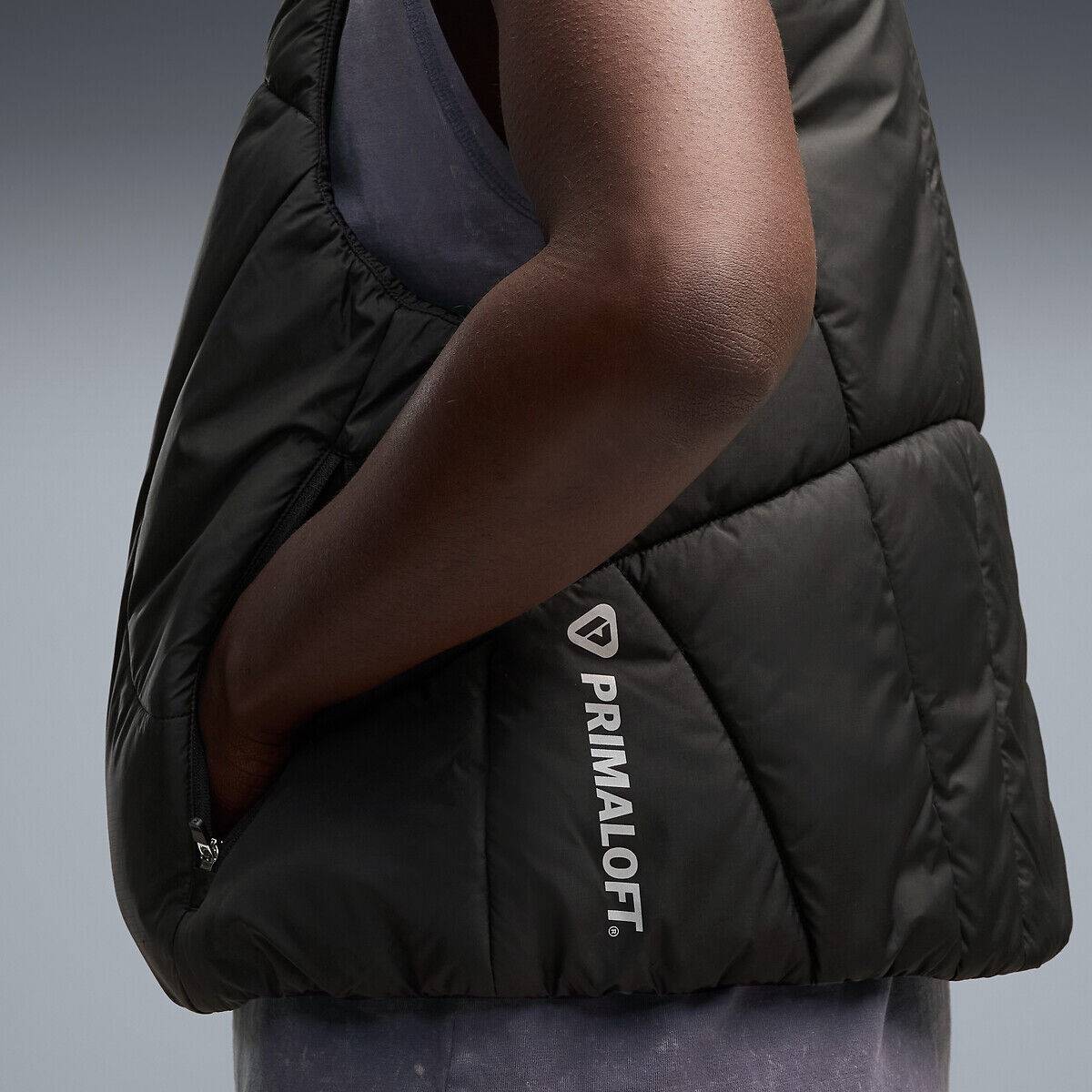
PUMA Veste sans manches PRIMEDétails produit • Longueur : court • Col montant • Fermeture zippée • Sans manche • Poches côtés Composition et Entretien • 100% polyester • Pour l'entretien, merci de vous référer aux indications figurant sur l'étiquette du produit93,50 €*Shipping: 3,99 €Secure redirect to the provider
-
Bruno Banani Man's Best coffret cadeau pour hommeBruno Banani Man's Best, 1 pcs, Coffrets de soins pour homme, Vous cherchez le cadeau parfait pour votre moitié, votre frère, votre père ou un ami cher ? Le coffret de parfum pour homme Bruno Banani Man's Best plaira à coup sûr à tous les hommes de votre entourage. Offrez-leur un coffret qui renferme non pas un, mais plusieurs trésors parfumés. Le produit : les produits de beauté aromatisés prolongent la durée du parfum constitue le cadeau idéal plaira à tous les hommes parfum épicé parfum oriental il mettra en valeur les hommes qui n'ont pas peur d'être naturels parfum qui convient pour un usage quotidien, mais également pour des occasions spéciales L'ensemble contient: Bruno Banani Man's Best déodorant en spray 50 ml Bruno Banani Man's Best Eau de Toilette 30 ml13,52 €*Shipping: 3,45 €Secure redirect to the provider
-
What is the difference between Homo erectus and Homo habilis?
Homo erectus and Homo habilis are both early human species, but there are several key differences between them. Homo habilis, which lived around 2.4 to 1.4 million years ago, was smaller in stature and had a smaller brain size compared to Homo erectus. Homo habilis is also believed to have been more adept at using tools, which is reflected in its name, meaning "handy man." On the other hand, Homo erectus, which lived around 1.9 million to 143,000 years ago, had a larger brain size and was the first human species to migrate out of Africa. Additionally, Homo erectus is believed to have had a more advanced ability to control fire and may have been the first human species to use language. **
-
What is the difference between Homo oecologicus and Homo oeconomicus?
Homo oecologicus and Homo oeconomicus are two different conceptual models used to understand human behavior. Homo oecologicus is a theoretical model that views humans as being inherently connected to and dependent on their natural environment. This model emphasizes the importance of sustainability and the need to consider the ecological impact of human actions. On the other hand, Homo oeconomicus is a model that views humans as rational, self-interested actors who make decisions based on maximizing their own utility or economic gain. This model is often used in economics and assumes that individuals make decisions based on cost-benefit analysis and the pursuit of their own self-interest. In summary, the main difference between the two models is their focus - Homo oecologicus emphasizes the ecological impact of human behavior, while Homo oeconomicus focuses on the economic rationality of human decision-making. **
-
What is the difference between Homo sapiens and Homo sapiens sapiens?
Homo sapiens refers to modern humans, while Homo sapiens sapiens specifically refers to anatomically modern humans. The term Homo sapiens sapiens is used to distinguish modern humans from earlier subspecies of Homo sapiens. The addition of "sapiens" in Homo sapiens sapiens emphasizes the advanced cognitive abilities and anatomical features that characterize modern humans. **
-
What are examples of the Homo oeconomicus and the Homo sociologicus?
The Homo oeconomicus is a theoretical concept in economics that describes a rational, self-interested individual who makes decisions based on maximizing their own utility or economic well-being. An example of Homo oeconomicus might be a person who always seeks to maximize their financial gains, makes decisions based on cost-benefit analysis, and acts in their own self-interest without considering the impact on others. On the other hand, the Homo sociologicus is a theoretical concept in sociology that describes an individual who is influenced by social norms, values, and the expectations of their community. An example of Homo sociologicus might be a person who makes decisions based on the expectations and norms of their social group, prioritizes the well-being of the community over individual gain, and is influenced by social pressures and cultural values in their decision-making. **
* All prices are inclusive of VAT and, if applicable, plus shipping costs. The offer information is based on the details provided by the respective shop and is updated through automated processes. Real-time updates do not occur, so deviations can occur in individual cases. ** Note: Parts of this content were created by AI.